
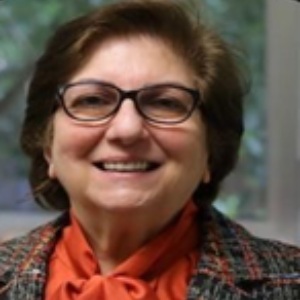
Marina Gharibian
American University of Beirut, Lebanon
Abstract Title: Horticultural therapy in nursing homes in Lebanon: Perspectives of frail older residents
Biography: Dr. Gharibian studied Nursing at the American University of Beirut (AUB). She worked as a registered nurse on medical wards for three years. She then joined the Hariri School of Nursing (HSON) at AUB as a clinical instructor. She was involved in teaching Nursing Care of Adults. She received her PhD degree in gerontological nursing in 2012 from the University of Manchester, UK. At present, she is a clinical associate professor at HSON, AUB teaching Nursing Care of Adults and Older Adults, Pathophysiology, and Nursing research in both undergraduate and graduate programs. Her main research interest is quality of life of nursing home residents.
Research Interest: Background: Horticultural therapy (HT) is reported as an excellent way to improve physical as well as psychological well-being, reduce levels of anxiety and depression, promote social interaction, and maximize functional competence in older people. This list of attributes are essential determinants of quality of life in a nursing home setting. In addition, HT-based activities have been reported as a viable and desirable choice for dementia-care programs. The use of horticultural interventions in nursing homes in Lebanon has not yet been explored. The aim of this study is to explore the perspectives of frail nursing home residents about horticultural activities after participating in the activities themselves. Methods: This study was based on a qualitative descriptive methodology, by conducting semi-structured interviews with 15 older residents. Two care homes were chosen purposively. A qualitative content analysis approach was adopted to interpret data. Horticultural therapy-based activities were implemented twice weekly at the two sites for eight weeks. Results: Analysis of interviews conducted with the residents as well as participant observation notes taken during the implementation process resulted in the emergence of four major themes with subthemes: 1) Engaging the senses and emotions; 2) Building confidence and purpose; 3) Happiness through connection; 4) Reminiscence, self-expression, and desire for continued engagement. Implications: This study also contributes to the limited body of evidence from the Middle East on nature-based, non-pharmacological interventions in elder care. The findings highlight the potential of nature-based activities as accessible, low-cost interventions within long-term care environments, and suggest that integrating horticultural engagement into nursing home programming may support both emotional wellbeing and meaningful daily participation among older residents. The findings will have implications for developing appropriate and meaningful nursing practice when caring for frail older residents in nursing homes in Lebanon where the preservation of quality of life is of paramount importance.