
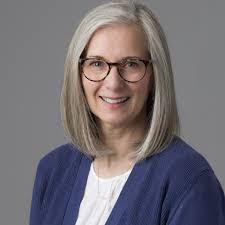
Melanie Livingston
Brigham Young University, USA
Abstract Title: Gerontological Nursing in Baccalaureate Education: the value of theory- guided experiential learning
Biography:
Research Interest: Background/Introduction By 2050, the number of older adults aged xx and older is projected to nearly double to 2.1 billion individuals. Shifting demographic trends worldwide necessitate a response from nursing educators to prepare entry-level nurses who are equipped to meet the needs of older people they care for. Purpose/Aims The purpose of this curriculum development project was to create an engaging undergraduate nursing education curriculum for the nursing care of older adults while achieving the following aims: 1) Integration of the 4 m’s for Age-Friendly Health Systems theoretical framework 2) Competency-based learning outcomes 3) Rich experiential activities where nursing students learn directly from community-dwelling older adults. Methods/Approach Students participated in six competency-based, interactive activities with older adults in the community. Using the 4 M’s framework, activities focused on medication reconciliation, end-of-life planning, mobility assessment, and accessing community resources. Following each interaction, students completed written reflections to synthesize their insights, articulating both their skills acquisition and attitudes surrounding healthy aging and late-life potential. Results/Findings Students reported that these activities “changed the way that I look at older adults” and “deepened my empathy and understanding of the challenges older adults face when health setbacks limit their independence.” Reflections demonstrated a deeper understanding of the needs and preferences of older adults, a reduction in negative biases surrounding aging, and an increased interest in working with the older adult population. Conclusions/Implications for Practice Engaging with older adults fostered skills and competencies in gerontological nursing and enhanced age-friendly attitudes as students observed the beauty and power of patient-directed living.